Treating Lithium-Ion Like Lead-Acid Batteries
Many businesses miss out on one of the key benefits of Lithium-ion battery technology when switching from lead acid. Businesses often don’t switch their charging habits and wait until the batter is dead before charging as you would with a lead acid battery. One of the key benefits with Lithium-ion batteries is their ability to utilise opportunity charging without causing damage to the battery.
Failure to adopt to this method of charging can prevent businesses from feeling the full productivity gains of switching to Lithium-ion technology.
Key considerations:
- Take advantage of opportunity charging during breaks
- Train operators on lithium-ion charging best practices
- Review charging routines when introducing new equipment
Overlooking the Charging Environment
Performance issues due to unsuitable charging environments are common. It is important that whilst yielding the benefits of opportunity charging that this occurs in an environment that is suitable. In busier warehouse environments where extreme temperatures or excessive dust are present it may be advised to have a charging area that provides good conditions for charging.
It is essential that businesses consider the impacts of poor charging environments on the longevity and performance of Lithium-ion batteries.
Key considerations:
- Keep charging areas clean and unobstructed
- Follow manufacturer guidelines on operating temperatures
- Ensure good ventilation around charging locations
Ignoring Battery Data Performance Insights
Businesses have access to battery management systems that can provide insight into charging patters, utilisation and overall battery health. Utilising this information can help identify emerging issues that can be rectified much quicker. Battery data also highlights maintenance requirements and machine utilisation which can inform decision making.
Key considerations:
- Monitor battery health regularly
- Investigate recurring alerts or warnings
- Use battery data to support preventative maintenance programmes
Assuming Lithium-Ion Batteries Require No Maintenance
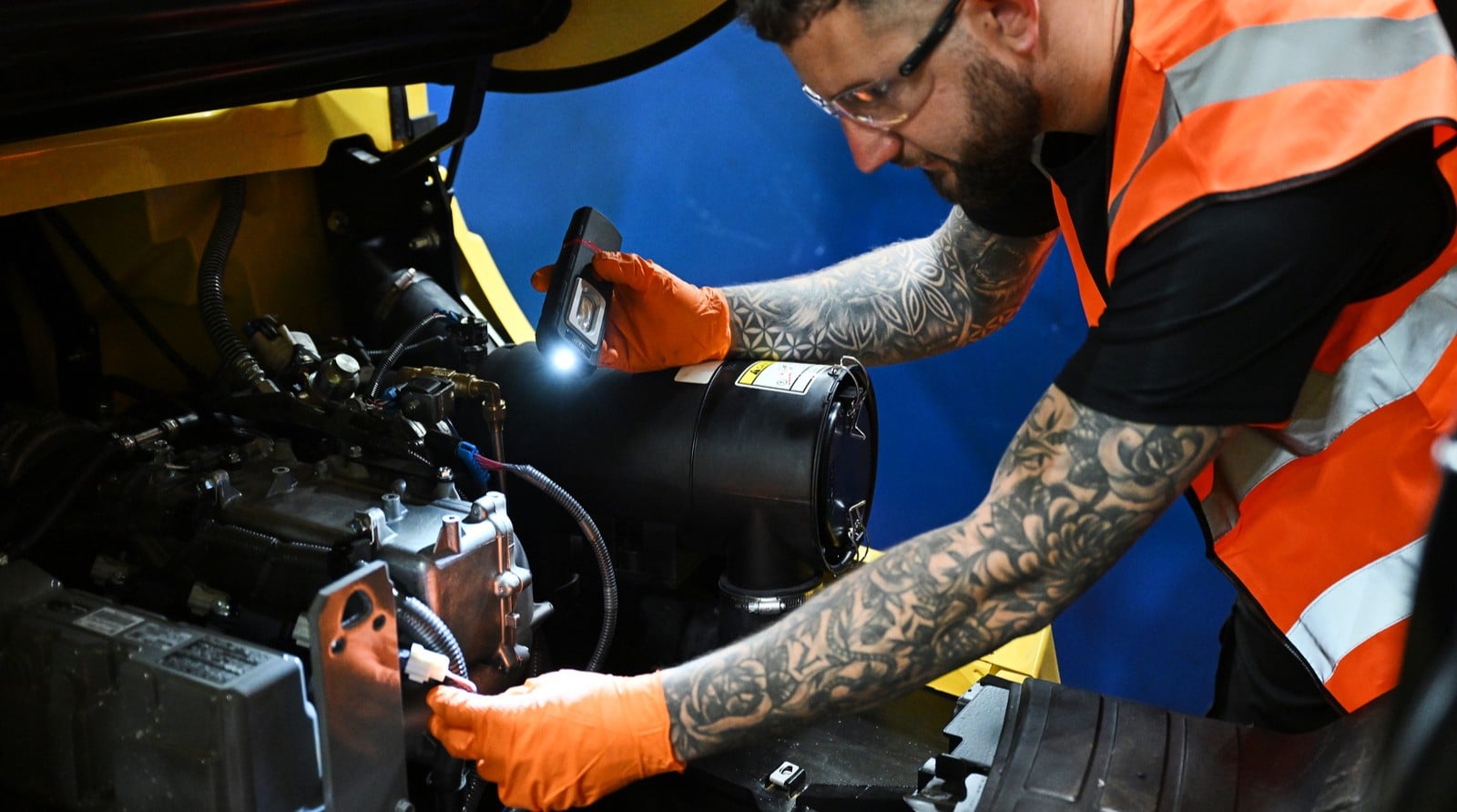
Lithium-ion batteries are lower maintenance than lead acid batteries. However many businesses take this one step further and assume low maintenance means no maintenance. It is essential that Lithium-ion batteries are regularly inspected to identify any potential issues. By spotting issues earlier it often reduces downtime and overall repair costs.
For larger fleets incorporating battery inspections into regular maintenance can support long-term reliability.
Key considerations:
- Include battery checks in routine fleet inspections
- Report visible damage promptly
- Ensure servicing is carried out by qualified technicians
Focusing on Purchase Price Instead of Long-Term Value
When comparing lead acid batteries to their Lithium-ion counterpart the are considerably more expensive. The initial investment may be higher; however the value added through utilising Lithium-ion technology comes from increased uptime, reduced maintenance and improved operational efficiency.
It is important when comparing the battery types to take this into consideration as the purchase price alone only tells one part of the story. A battery that supports higher utilisation, faster charging and few disruptions can deliver significantly more value over the course of its life. Organisations should consider total cost of ownership rather than purchase price alone.
A battery that supports higher utilisation, faster charging and fewer disruptions can deliver significant value over its working life.
Key considerations:
- Consider productivity gains alongside purchase costs
- Assess the impact on downtime and fleet utilisation
- Review total cost of ownership over the entire equipment lifecycle
Lithium-ion technology offers significant benefits for materials handling operations, but achieving maximum value requires more than simply installing a new battery. By adopting the right charging practices, monitoring performance data and maintaining equipment correctly, businesses can maximise uptime, extend battery life and support more efficient operations.
Contact our team to see if Lithium-ion technology is right for your business.