Many businesses fail to spot hidden costs within their forklift fleet. As forklifts are essential to many businesses’ daily operations it can be extremely difficult to spot rising costs or inefficiencies. Issues such as downtime, poor productivity or safety can be more difficult to manage than obvious expenses such as fuel costs and repairs. However, these inefficiencies can be costly for businesses. The utilisation of a fleet management system can identify issues much earlier on.
In this guide we will explore the five signs that your forklift fleet could be costing your business more than you think.
Frequent unplanned repairs
It is normal for forklifts to require general maintenance and repairs however; frequent unplanned repairs are often a warning sign.
When a forklift spends a lot of time in the workshop instead of performing tasks it may be time to consider if keeping the older truck is cost effective.
Warning signs:
- Multiple breakdowns
- Recurring faults
- Longer periods of downtime
Low utilisation rates
Many businesses assume they need more equipment when they have enough forklifts, but they aren’t being used efficiently. Low utilisation rates often indicate that trucks are spending long periods idle, being used for specific tasks or are unevenly distributed across the operation.
Underutilised equipment can increase ownership, maintenance and energy costs while reducing overall return on investment. Understanding how each truck is being used can help identify opportunities to optimise your fleet, reduce unnecessary costs and improve operational efficiency.
Key considerations:
- How many hours per day is each forklift being used?
- Are some trucks consistently being used less?
- Could fewer trucks achieve the same output?
Downtime is disrupting operations
When a forklift is unavailable it often has a greater impact than it seems. This can affect order fulfilment rates, staff productivity and increased pressure from customers. Bottlenecking your operation can be extremely costly.
Key considerations:
- Are jobs delayed due to equipment?
- Do we regularly require emergency hire trucks?
- Are service interruptions becoming more frequent?
Rising energy or fuel costs
Internal combustion forklifts or older electric trucks are often far more inefficient than modern forklifts due to advancements in technology.
A great solution for some businesses is Lithium-Ion forklifts as they often reduce energy consumption while maintaining consistent performance.
Warning signs:
- Increased fuel bills
- Inefficient charging
- Multiple battery charges during a single shift
Safety incidents or near misses are increasing
Poorly maintained, ageing equipment can affect safety. Issues such as worn tyres or unreliable braking systems are key indicators that operator and employee safety are at risk.
Maintenance often reduces this risk, however when these issues become more frequent it may indicate it is time to upgrade. It may also be worth considering upgrading FTC safety solutions.
Potential indicators:
- More near miss reports
- Increased damage to stock or racking
- Failed inspections
How fleet management software solves these challenges
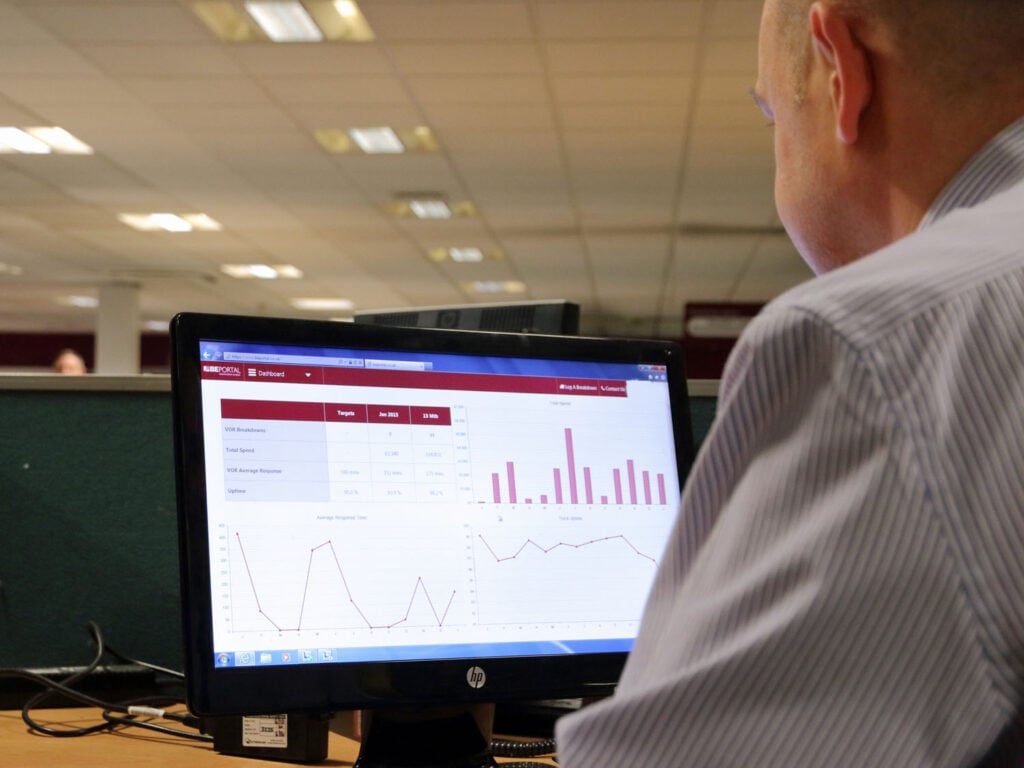
Fleet management software provides businesses with real-time visibility of equipment performance, utilisation rates, maintenance requirements and operator activity. Rising operating costs are often treated as an unavoidable part of running a forklift fleet, however, many of the biggest expenses stem from issues that can be addressed very early on.
Effective fleet management gives businesses the data and insights they need to make informed decisions about their materials handling equipment. Whether you have a small fleet or manage equipment across multiple sites, proactive fleet management can help maximise asset utilisation, reduce costs and improve operational efficiency.
To find out more about the BE Portal – contact one of our experts who can help you explore the benefits of fleet management.