Small inefficiencies within the manufacturing sector can lead to costly delays. This makes reduced downtime and improved flow a key priority for businesses operating in the manufacturing industry. Businesses can choose to increase productivity by streamlining their processes and therefore maximise their return on investment.
Here are some practical ways manufacturers can improve production efficiency and keep materials moving throughout their facilities.
Optimise Material Handling Processes
Reviewing your materials handling processes may highlight bottlenecks caused by inefficient material handling equipment or workflows. This slows down production and increases labour pressures and requirements.
Assessing processes between production lines, storage areas and dispatch zones can help identify inefficiencies and unnecessary movements. By optimising routes and workflows, manufacturers can reduce transit times and ensure materials arrive where they’re needed without delay. The right material handling equipment also plays a crucial role in maintaining efficient operations.
Invest in Equipment That Matches Your Application
Using equipment that is not designed for the task e.g. being under or oversized, can have a negative impact on productivity. It is essential that manufacturers regularly check that their equipment is suitable for the application and operational requirements. Fleet management systems are designed to help with this process.
Selecting equipment that is purpose-built for the application can improve productivity while reducing wear and downtime.
Implement Preventative Maintenance
One of the leading causes of downtime within the manufacturing industry is unexpected equipment failure.
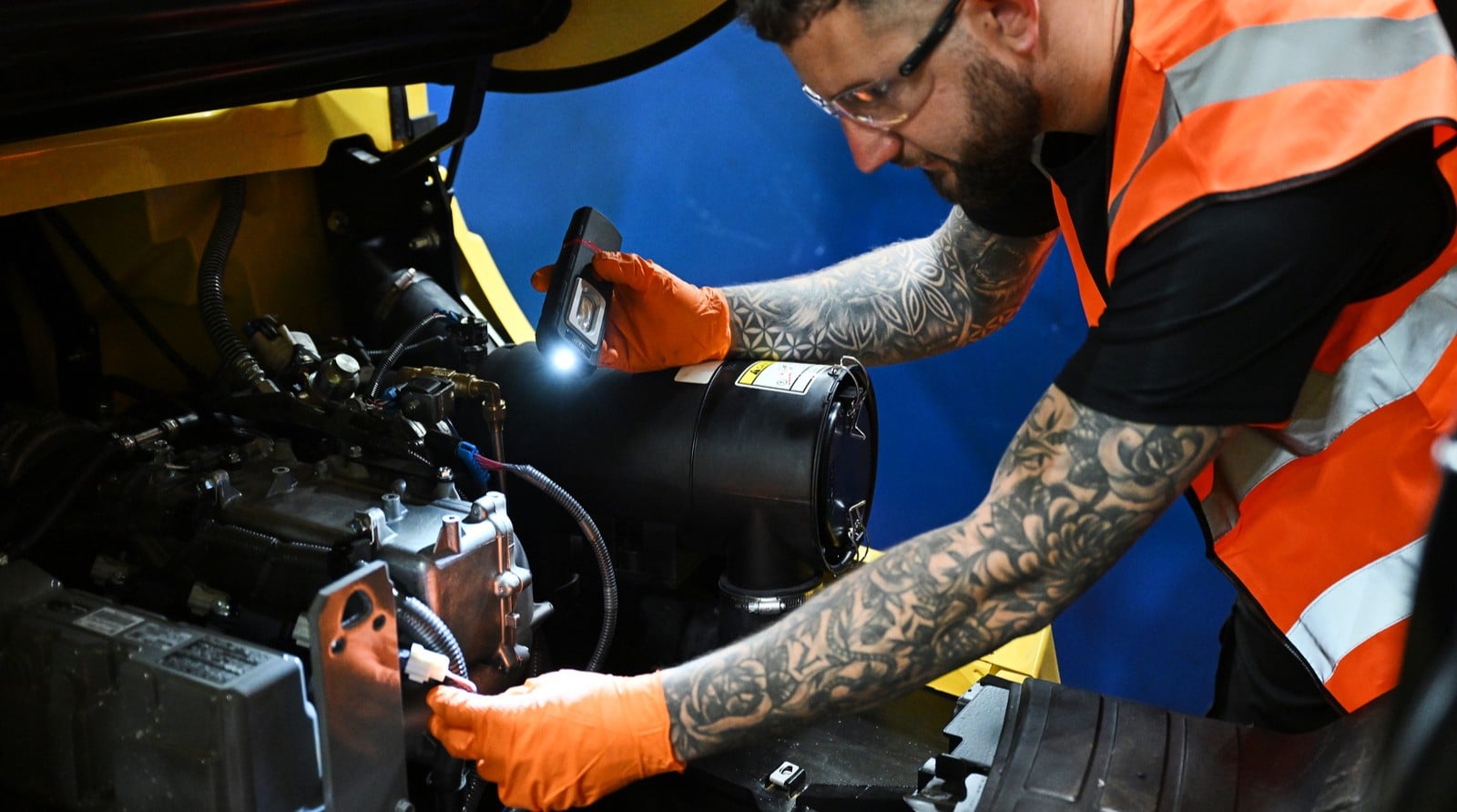
Preventative maintenance offers added peace of mind as equipment is well maintained and any issues are often picked up far earlier, reducing the risk of them becoming costly. Proactive maintenance includes regular inspections, servicing and condition monitoring. Taking a proactive approach is one of the best ways to reduce unnecessary costs.
Keeping material handling equipment in peak condition helps ensure production schedules remain on track.
Improve Warehouse and Production Layouts
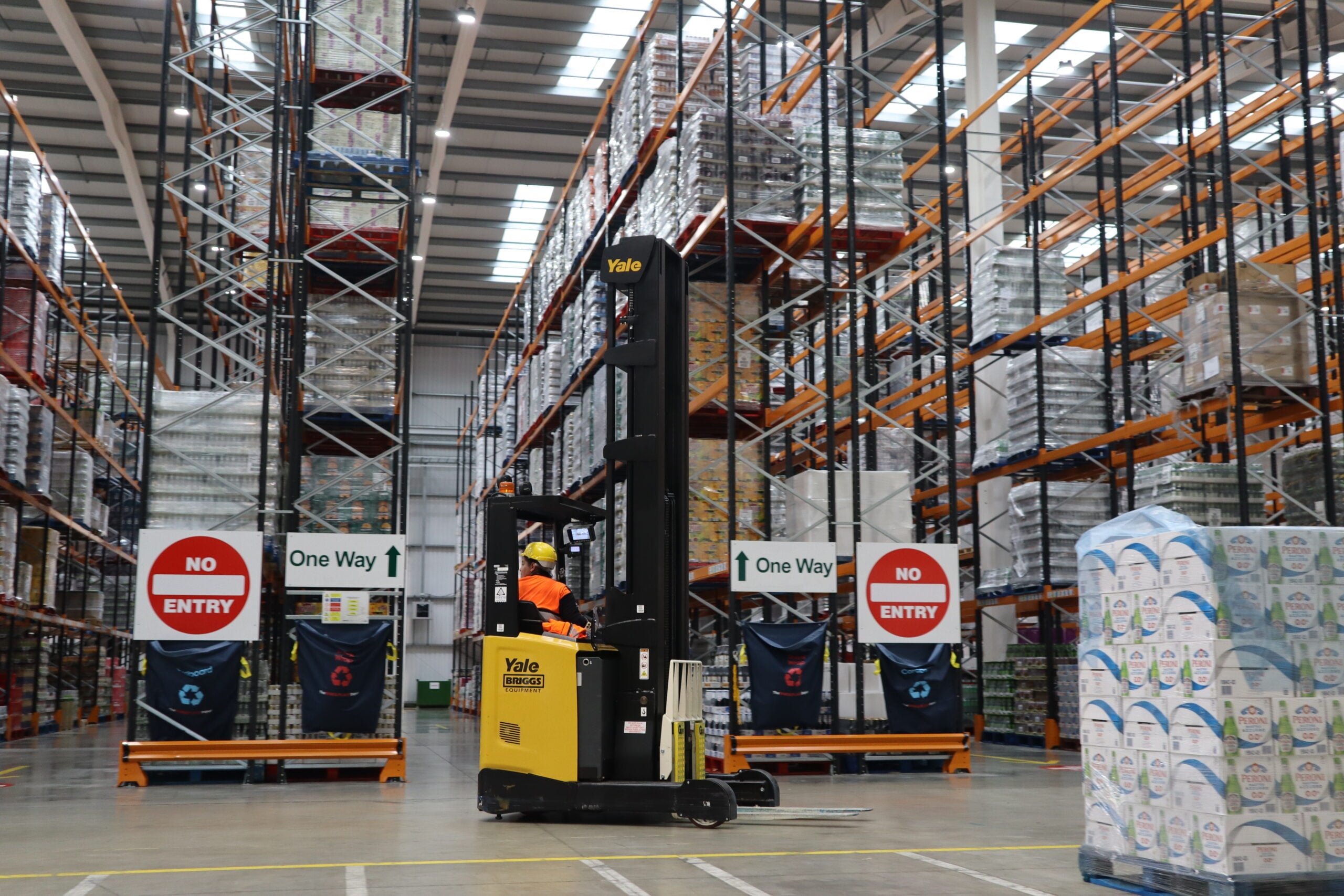
Operational efficiency is directly impacted by warehouse layouts. Manufacturers can reduce travel distances, eliminate congestion points and improve access to frequently used inventory and create clearer traffic routes. Similarly utilising equipment such as VNA trucks can also increase efficiencies.
Even minor layout improvements can help remove bottlenecks and enable faster movement of materials throughout the facility.
Leveraging Operational Data
Data-led decisions are often far more valuable than those made without greater detail. Technology can provide insights on inefficiencies and provide opportunities for improvement.
Fleet management systems such as the BE Portal track material movements, identify process bottlenecks and monitor equipment utilisation. Using this information, businesses are able to make changes to improve the flow of their manufacturing facilities. Using operational data effectively can help manufacturers continuously refine workflows and optimise material flow across the entire facility.
How Can Briggs Equipment Help?
Improving material flow isn’t simply about moving goods faster. It’s about creating a more efficient operation where people, equipment and materials work together seamlessly. By optimising processes, selecting the right material handling equipment, investing in preventative maintenance, refining facility layouts and leveraging operational data, manufacturers can improve production efficiency while reducing costly downtime.
As manufacturing operations face increasing pressure to do more with less, focusing on material flow can deliver measurable productivity gains across the entire facility. Contact our team for support with you operation.