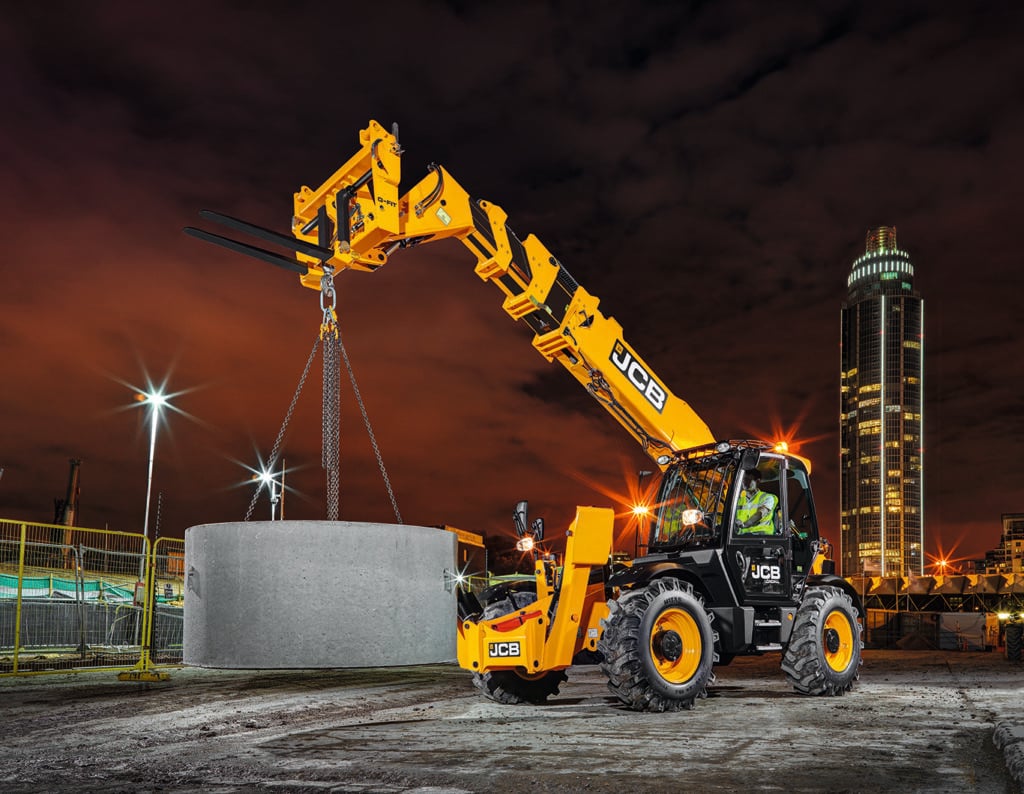
Telehandlers are a common sight on construction sites, in yards and across busy industrial operations. They’re flexible, hard-working machines, but only when they’re in the hands of someone who understands how to use them properly. That’s where telehandler training makes a real difference.
Good training helps reduce risk, improve productivity and give operators the confidence to work safely around people, stock, vehicles and changing site conditions. In this guide, we look at what telehandler training covers, who needs it and how to choose the right course for your operation.
What is telehandler training?
Telehandler training teaches operators how to safely use a telescopic handler, sometimes called a telehandler or rough terrain forklift. Unlike a standard forklift, a telehandler uses an extending boom to lift and place loads at height or across distance.
That reach is what makes the machine so useful, but it also changes how the load behaves. Operators need to understand stability, capacity, visibility, ground conditions and the safe use of attachments before they start work.
Why telehandler training matters
Training should never be seen as a box-ticking exercise. A well-trained telehandler operator can make better decisions on site, spot risks earlier and keep materials moving without putting people or equipment in unnecessary danger.
It also helps employers show that operators have received suitable instruction for the equipment and environment they work in. For machines operating outdoors, on uneven ground or close to pedestrians, that preparation is essential.
Who needs telehandler training?
Anyone expected to operate a telehandler should be trained for the task. That includes new starters, experienced operators changing machine type, temporary staff and team members using attachments such as forks, buckets, jibs or lifting accessories.
Refresher training is also worth considering when equipment changes, site conditions alter or an operator has not used a telehandler for some time. It is often a small investment compared with the cost of downtime, damage or an incident.
What does a telehandler course cover?
A telehandler training course should combine classroom-based learning with practical operating time. The exact course will depend on operator experience and the machine being used, but it will typically cover:
- Key parts, controls and safety features of the telehandler
- Pre-use checks and basic daily maintenance
- Understanding rated capacity and load charts
- Safe lifting, travelling and placing of loads
- Working on slopes, rough terrain and restricted spaces
- Awareness of pedestrians, overhead obstructions and unstable ground
- Correct use of attachments and lifting accessories
- Shutdown, parking and reporting procedures
Most recognised courses include both a theory test and a practical assessment, giving operators the chance to show they can apply safe working principles in real conditions.
Choosing the right telehandler training
The right route depends on your people, your site and how the telehandler will be used day to day. A novice operator may need a full course with more practical time, while an experienced operator may only need conversion, refresher or assessment-led training.
Accreditation is also important. In the UK, common options include CPCS and NPORS, while some businesses may choose in-house training depending on the application. The best choice will depend on site rules, customer requirements and the type of work being carried out.
Telehandler training FAQs
Do you need a licence to operate a telehandler?
Not in the same way as a driving licence. However, operators must be trained and competent to use the machine safely. Many sites will ask for recognised evidence of training, such as CPCS or NPORS certification.
How long does telehandler training take?
It depends on the operator’s experience, the course type and the machine category. New operators usually need more time, while experienced operators may be suitable for a shorter refresher or assessment.
Is refresher training required?
Refresher training is recommended if an operator has been away from the machine, has moved to a different model, has been involved in an incident or is working in a new environment.
Can telehandler training be completed on site?
Yes, in many cases. On-site telehandler training can be useful because operators train with familiar equipment, routes, loads and workplace procedures.
Ready to get started?
If your business uses telehandlers, the right training helps protect your people, your equipment and your productivity. Speak to the Briggs Equipment team to discuss telehandler training options that support your site and the way your operation works.