Keeping your forklift fleet in peak condition is essential for safety and productivity. When replacement parts are needed, businesses have to choose between genuine forklift parts or non-genuine alternatives. While lower-cost options may appear attractive initially, understanding the differences can help you make an informed decision that protects both your equipment and your operation.
What Are Genuine Forklift Parts?
Genuine forklift parts are manufactured or approved by the original equipment manufacturer (OEM). These parts are designed specifically for the make and model of your forklift and are built to meet the manufacturer’s exact specifications.
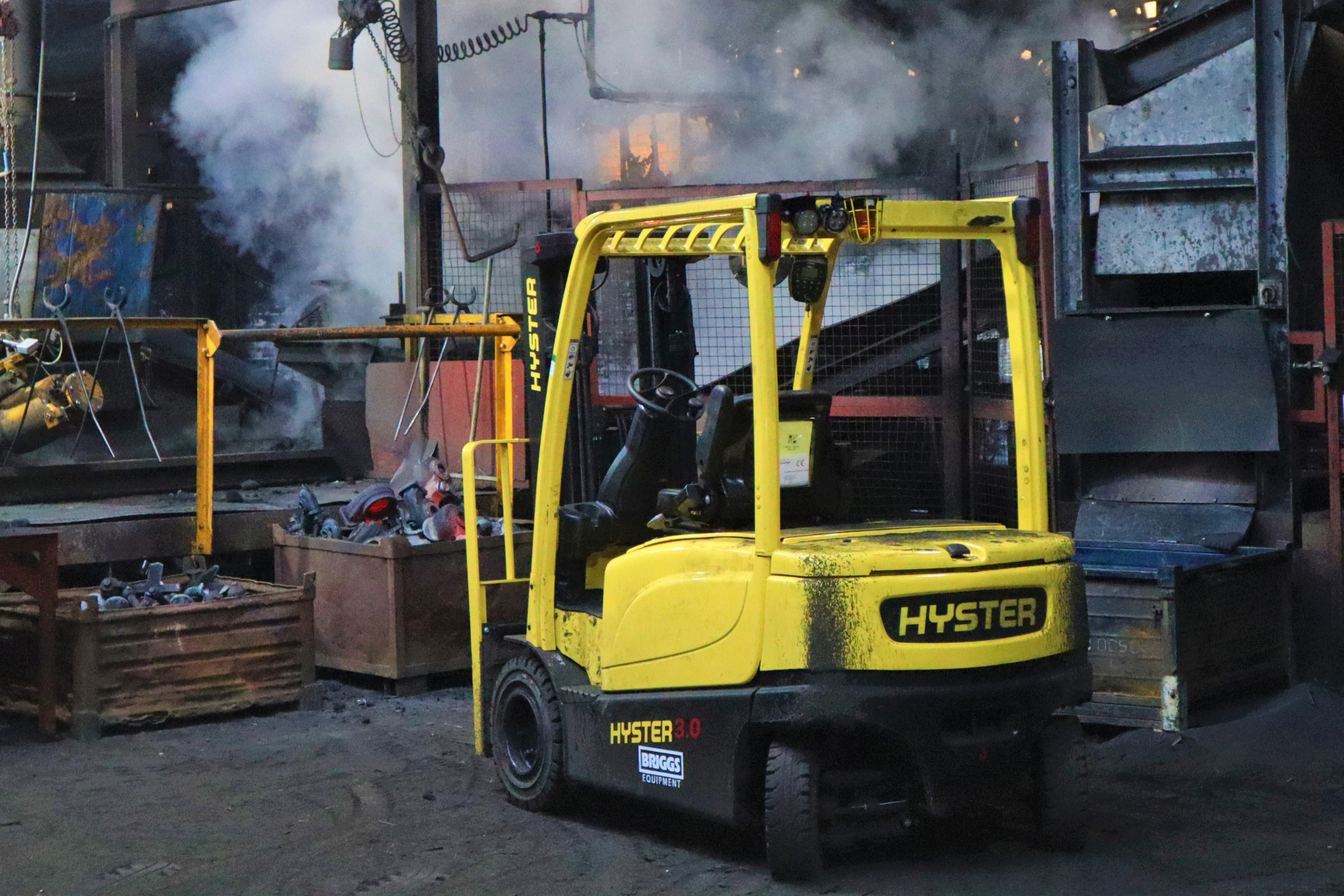
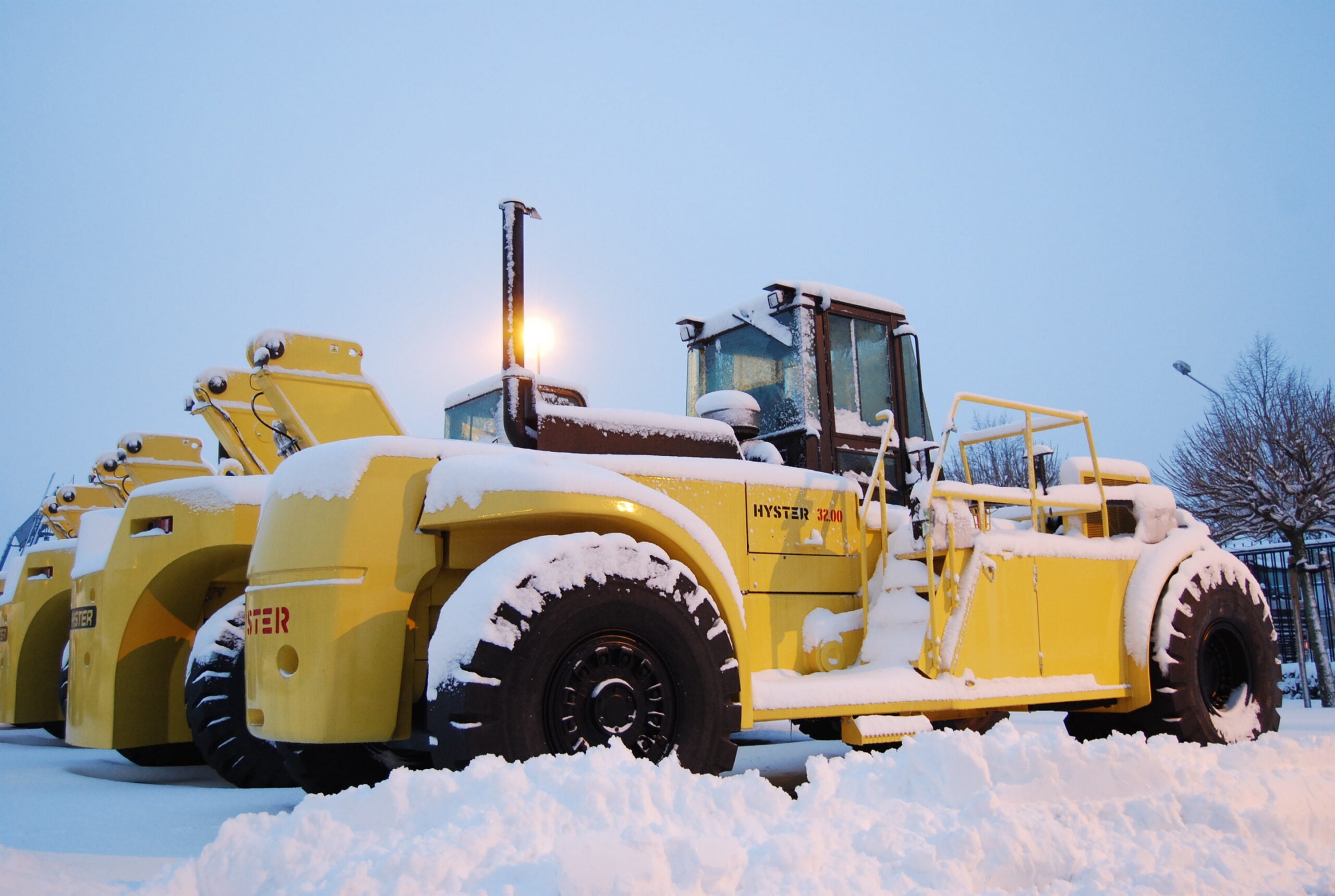
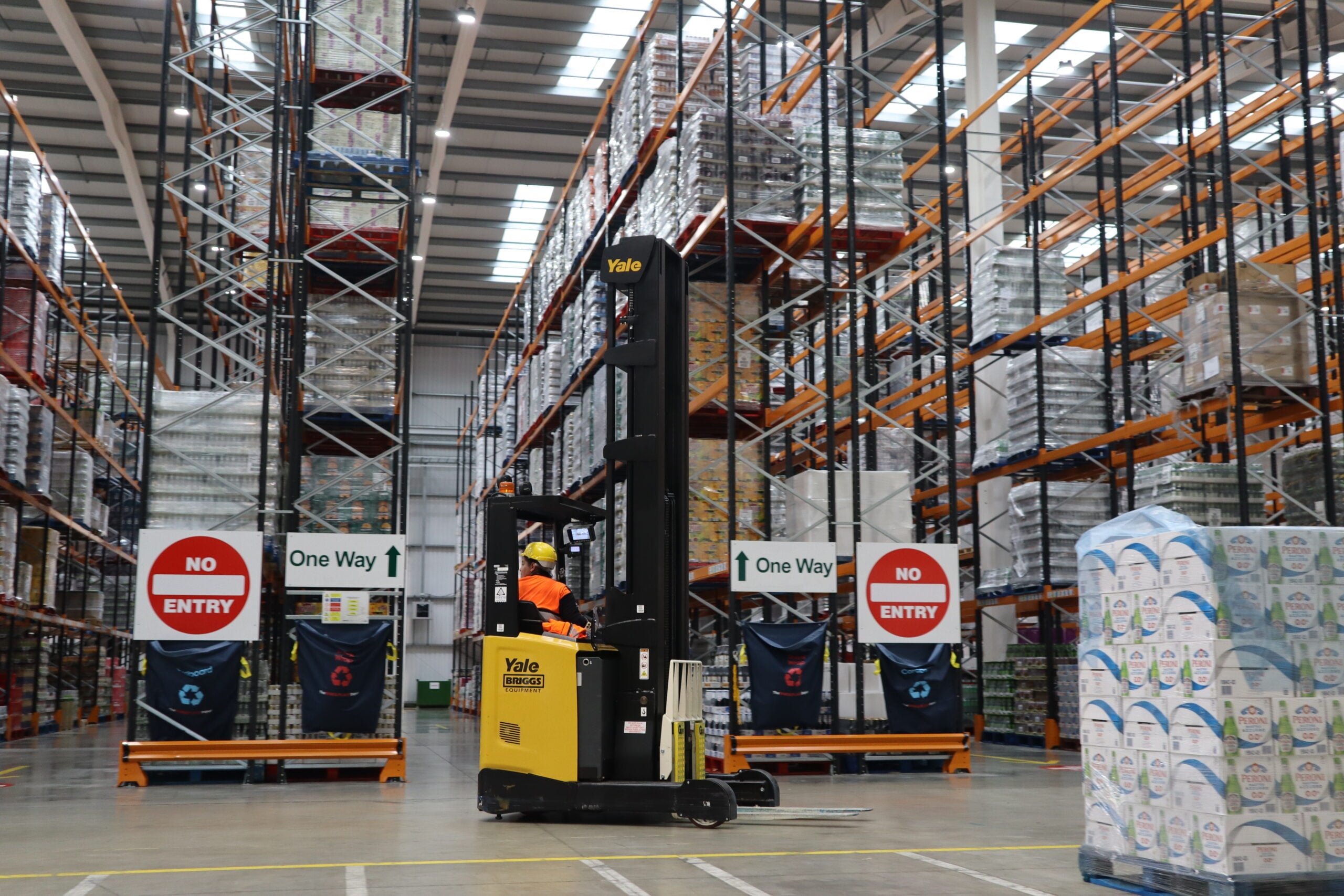
Whether you operate Hyster, Yale or other brand of materials handling equipment, genuine parts are engineered to deliver the same performance, reliability, and safety standards as the original components fitted to the equipment.
What Are Non-Genuine Forklift Parts?
Non-genuine parts are produced by third-party manufacturers rather than the original manufacturer. While some aftermarket parts can offer a lower upfront cost, they may vary in quality, fit, and performance. As these parts are not produced to the OEM’s exact standards, compatibility and durability can sometimes be uncertain. This poses a risk to safety of operators and employees.
Genuine vs Non-Genuine Forklift Parts
Quality and Performance
Genuine parts are designed and tested specifically for your equipment. This ensures optimum fit and performance. Improving reliability and efficiency of your forklift throughout its working life.
Non-genuine parts may fit multiple equipment models and can vary significantly in quality. In some cases, this may lead to reduced performance or premature component wear of the specific part or other parts of the forklift.
Safety
Forklifts operate in demanding environments where safety is critical. Genuine parts are manufactured to meet strict safety and engineering standards which helps ensure your equipment performs as intended.
Using lower-quality replacement parts can potentially affect critical functions such as breaks and hydraulic systems that are essential for safe operation.
Reliability and Downtime
Unexpected downtime can be costly. Genuine parts are built to provide consistent performance and longevity. While non-genuine parts may offer an initial saving, repeat replacements and unplanned repairs can quickly outweigh any short-term cost benefits.
Warranty Protection
Using genuine components can help maintain manufacturer warranty coverage and support compliance with service recommendations. In some circumstances, the use of non-genuine parts may affect warranty claims if a component failure is linked to an unsuitable replacement part. Be sure to check your warranty conditions prior to using non-genuine forklift parts.
Total Cost of Ownership
The lowest purchase price does not always represent the best value. Genuine forklift parts often provide better reliability and lower maintenance costs over time. When considering labour costs, equipment downtime and replacement frequency, genuine parts can offer a lower total cost of ownership across the lifespan of your forklift.
When Should You Choose Genuine Forklift Parts?
Genuine forklift parts are particularly important when replacing:
- Brake components
- Steering and suspension parts
- Hydraulic system components
- Electronic controls and sensors
- Mast and lift system components
- Safety-critical equipment
Using OEM-approved parts for these applications helps ensure your forklift continues to operate safely and efficiently.
The Briggs Equipment Difference
At Briggs Equipment, we supply genuine OEM forklift parts supported by expert product knowledge, nationwide service coverage, and fast parts availability. Our specialists can help identify the correct component for your equipment, helping to minimise downtime and keep your fleet operating at its best. Contact our parts team for more information.