Lean manufacturing is all about keeping things moving with as little waste as possible. That usually means looking closely at production processes. However, the way materials move around a site matters just as much.
From goods-in to production and dispatch, reliable materials handling equipment helps teams move stock safely, quickly and consistently. For manufacturers reviewing their fleet, the right mix of equipment, servicing and support can make lean working easier to sustain day to day.
Improving Material Flow from Goods-In to Dispatch
Lean manufacturing depends on materials moving through the operation without unnecessary interruption. When the right equipment is in place, products and components can move efficiently between receiving, storage, production and dispatch. This in turn helps teams maintain momentum and avoid delays that impact output.
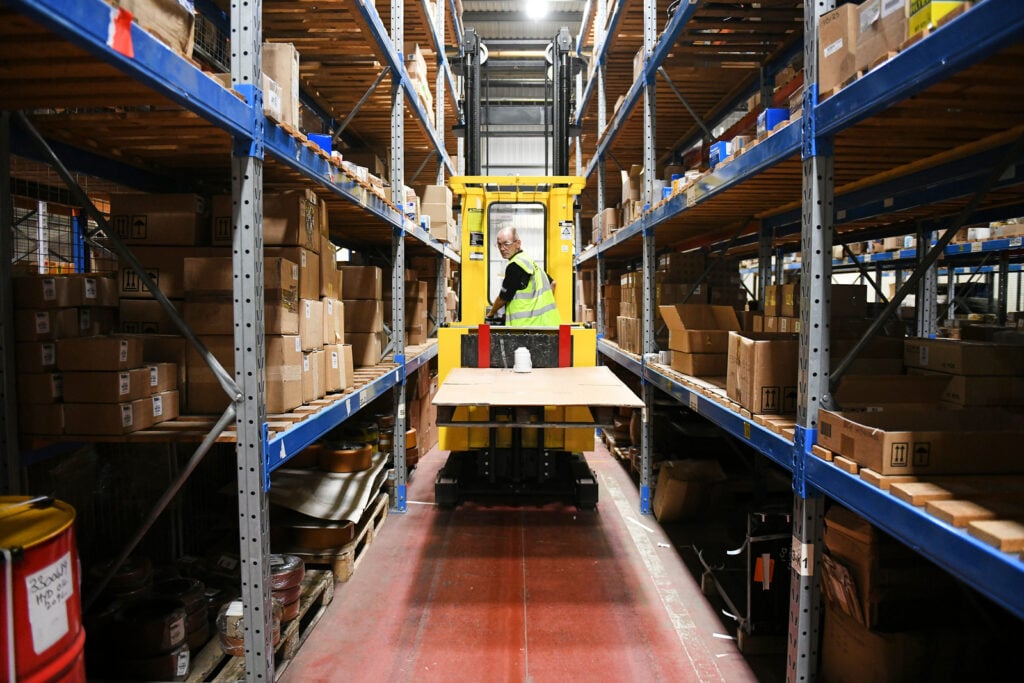
Many modern warehouse operations use electric or LPG forklifts, or powered pallet trucks for effective unloading and pallet transport. To optimise the flow of goods from warehouse racking, reach trucks play a crucial role. For industries dealing with labour shortages or increasingly relying on automation, Automated Guided Vehicles (AGVs) help improve material flow.
Reducing Downtime That Interrupts Production
Equipment downtime rarely affects just one task. A single breakdown can slow production, create bottlenecks and put delivery schedules under pressure. A well-maintained fleet supported by planned servicing helps to keep operations running smoothly. It also allows production teams to focus on meeting demand rather than resolving unexpected disruptions.
Reliable asset maintenance services reduce downtime through proactive servicing schedules and rapid breakdown support. This approach helps to identify and resolve issues before they become disruptive failures.
Supporting Just-in-Time Supply to the Line
Just-in-Time (JIT) manufacturing relies on materials arriving exactly when they are needed. Reliable forklifts and warehouse equipment help maintain a steady supply of products and components to production areas. This reduces the need for excess stock while ensuring manufacturing processes remain supported throughout the day.
Equipment best suited to JIT supply to a production line includes:
Tow Tractors
Tow tractors can pull multiple carts or trailers in a single journey, making them effective for JIT line feeding.
Forklifts
Within a warehouse, forklifts are best suited for loading and unloading palletised goods. Electric forklifts are ideal for indoor use, whilst VNA forklifts work well in tight spaces.
Reach Trucks
Reach trucks enable businesses to optimise their vertical space since they are suitable for accessing goods at height. They allow operators to quickly retrieve materials required by the line.
Cutting Unnecessary Movement and Transport Waste
One of the key principles of lean manufacturing is eliminating activity that does not add value. Equipment that is matched to the site’s layout and operational requirements can:
- Reduce travel distances
- Streamline internal transport
- Create a more efficient flow of materials across the facility
Creating Safer, More Productive Handling
Efficiency and safety go hand in hand. Well-maintained materials handling equipment helps operators move loads confidently and consistently. This reduces the risk of damage, delays and incidents that can disrupt the wider operation.
Forklifts can be fitted with enhanced safety features such as speed limiters, warning systems, cameras, and stability control systems. These help to reduce collision risk and mitigate operator error.
Additionally, tow tractors can improve employee health and safety by reducing the risk of manual handling injuries.
Using Fleet Data to Drive Continuous Improvement
Continuous improvement starts with understanding how equipment is being used. Telematics and fleet management data can provide valuable insight into machine usage, maintenance requirements and operational trends. This gives managers the information they need to identify opportunities for further efficiency gains.
Choosing a Partner to Support Long-Term Improvement
Lean manufacturing is an ongoing process rather than a one-time initiative. As operational requirements change, regular reviews of equipment, servicing plans and fleet performance can help ensure materials handling continues to support wider business objectives. Working with an experienced partner makes it easier to adapt and identify new opportunities for improvement as the operation evolves.
FAQs
How does materials handling equipment support lean manufacturing?
Materials handling equipment helps create smoother workflows by ensuring materials and products are available where they’re needed, when they’re needed. By reducing delays, unnecessary movement and handling inefficiencies, manufacturers can improve flow across the operation and support lean objectives more effectively.
Why is reliability important?
Equipment reliability has a direct impact on operational performance. Unexpected downtime can interrupt production schedules, delay orders and create inefficiencies throughout the supply chain. Keeping equipment well maintained helps minimise disruption and supports more consistent day-to-day operations.
Driving Lean Manufacturing Success
Lean manufacturing is ultimately about removing waste and creating greater value from every process. While production improvements often take centre stage, efficient material movement plays an equally important role. It helps maintain flow, support productivity and allows operations to run as intended.
If you’re assessing whether your current fleet is helping you achieve your lean manufacturing objectives, speaking to an experienced materials handling specialist can provide valuable insight into where further efficiencies may be found. Contact our team today to start the conversation.