Why training is an investment
Business budgets are often stretched, and training is frequently one of the first areas scrutinised to reduce costs. However, businesses that rely on forklifts and other materials handling equipment (MHE) to operate should consider the long-term consequences of inadequate or out of date training. Workplace accidents, damages and productivity losses due to poor training can pose significant cost and safety implications on businesses. Training should be seen as an investment rather than an expense.
The cost of workplace accidents
The cost to businesses is greater than you think when a workplace accident occurs. Workplace accidents often lead to lost working hours that may lead to temporary labour costs. Injury-related costs, increased insurance premiums and potential investigations can be detrimental to a business. Without workplace safety training accidents are far more likely to occur and can have financial and reputational implications for businesses. Effective training helps operators identify hazards and therefore reduce the risk of avoidable incidents.
Reducing damage to stock and equipment
With forklift operator certifications, operators are far less likely to damage stock reducing costs caused by unnecessary product damage. Similarly warehouses often suffer racking damage due to a lack of forklift operator training – racking is costly and increasing the lifespan of it is essential to keeping business costs down. One of the most significant hidden costs is damage to materials handling equipment itself. This not only leads to costly repairs but also downtime. In a busy warehouse environment having any machine out of action will have large cost implications for a business.
How training improves productivity
Warehouse productivity is often overlooked as a key benefit to forklift and access equipment training. Operators can often complete tasks more quickly due to better load handling and improved confidence. By ensuring operators are correctly trained operator productivity is likely to increase due to reduced operational delays. This improves operational efficiency and therefore reduces costs.
Protecting your business reputation
Beyond the direct financial impact, inadequate training can also affect a company’s reputation.
Key stakeholders expect businesses to maintain high standards of safety. When workplace accidents occur or goods are damaged it can lead to operational delays or issues which can impact confidence for customers and suppliers. Over time, these issues can undermine trust and potentially lead to negative long-term business relationships.
Invest in training before costs start rising
Training should be considered as an investment in safety rather than an operational expense. Businesses that prioritise forklift and access equipment training can reduce accidents, minimise equipment damage, improve efficiency and maintain compliance. Well-trained operators are one of the most valuable assets a business can have.
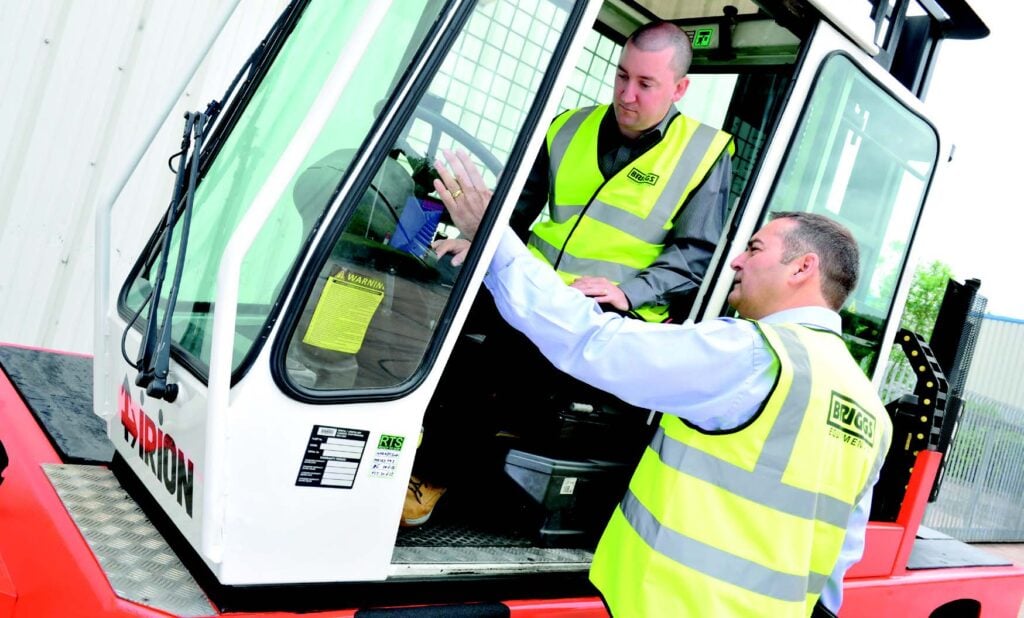
Briggs Equipment offers a range of accredited forklift and access equipment training courses to support business across a range of industries. These courses are designed to deliver the highest standard of training for your peace of mind and can take place at your site or in one of our training centres. Investing in professional training means your business can benefit from increased safety and productivity.
To find out more, email training@briggsequipment.co.uk or call 08443711001.
Frequently Asked Questions
What are the risks of not training forklift operators?
Without adequate training, businesses may face increased risks of workplace accidents, equipment damage, reduced productivity and higher operational costs.
Does forklift training improve productivity?
Yes. Well-trained operators often work more efficiently, make fewer handling errors and require less supervision, helping improve workflow and reduce delays.
How often should forklift operators receive refresher training?
The appropriate frequency depends on factors such as operator experience, workplace changes and company policy. Refresher training can help reinforce safe working practices and address developing bad habits.
Is forklift training a legal requirement?
Employers have a responsibility to ensure operators are trained and competent to use workplace equipment safely. Accredited training helps businesses demonstrate this commitment.
What are the benefits of accredited forklift training?
Accredited forklift training helps ensure operators receive instruction that meets recognised industry standards. This can improve workplace safety, support compliance and give businesses confidence that operators have developed the skills required to work safely and efficiently.